Ocean City’s Maddie Brady made it 100 miles, looking ahead to 2027
OCEAN CITY — Maddie Brady ran only — only? — 100 miles at the Moab 240 earlier this month, but it wasn’t stamina that stopped her from finishing the grueling extreme marathon.
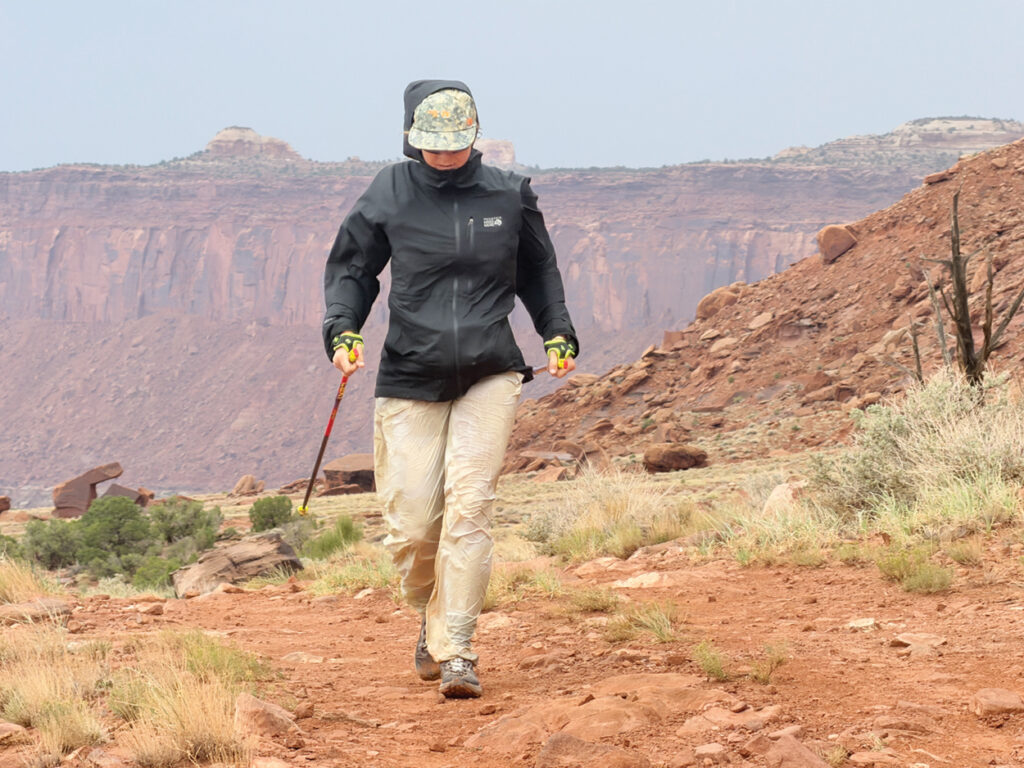
As if trying to finish under 112 hours on a 240-mile course that descended through canyons and raced up mountains wasn’t enough, extreme weather descended and made its oppressive presence felt at the annual Utah event around Arches National Park.
Freezing rain and thunderstorms caused flash flooding that blocked the route. The weather stopped Brady and the other 354 contestants, canceling the Moab 240 almost midway through and stranding scores of runners and volunteers.
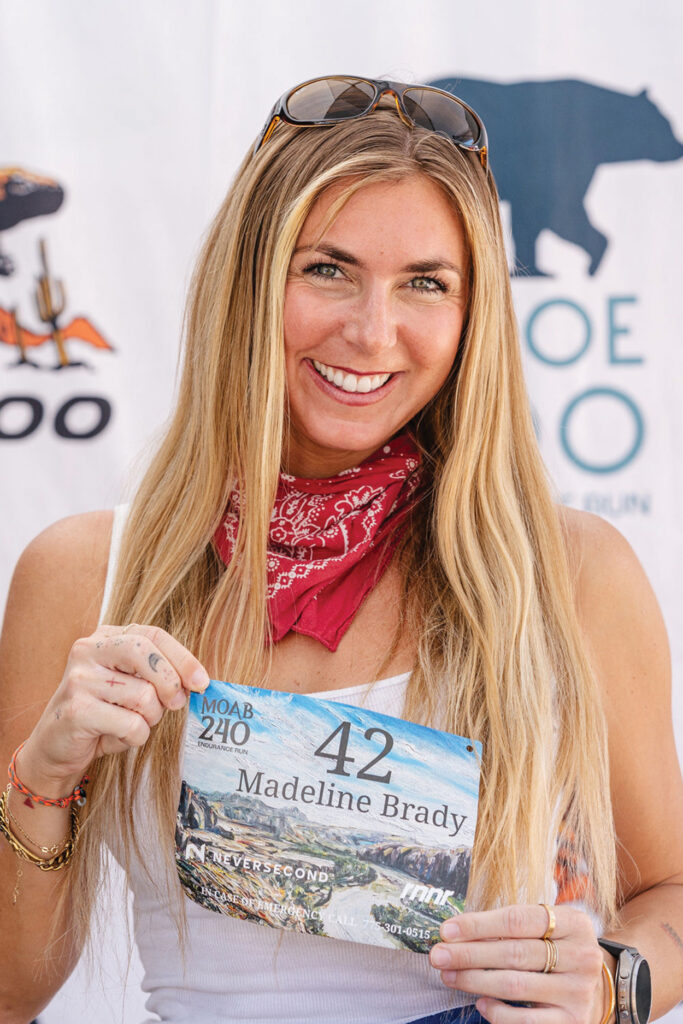
The Ocean City native and 2015 Ocean City High School graduate was left soaked and shivering in a support tent for hours after the route she was running was blocked, but it didn’t take long after warming up and getting off the course to change her attitude.
Brady trained for months running in the mountains in different locations across the United States, only to be disappointed that she didn’t have the chance to finish.
When she talked to the Sentinel on Wednesday, Oct. 14, Brady was still in Moab.
During her training, Brady had posted regular videos of her weekend runs up mountainous trails most people wouldn’t consider slowly hiking. Those Instagram posts over the past few months were part of a countdown to Moab and a race that would challenge her unlike anything else she had tried in the past.
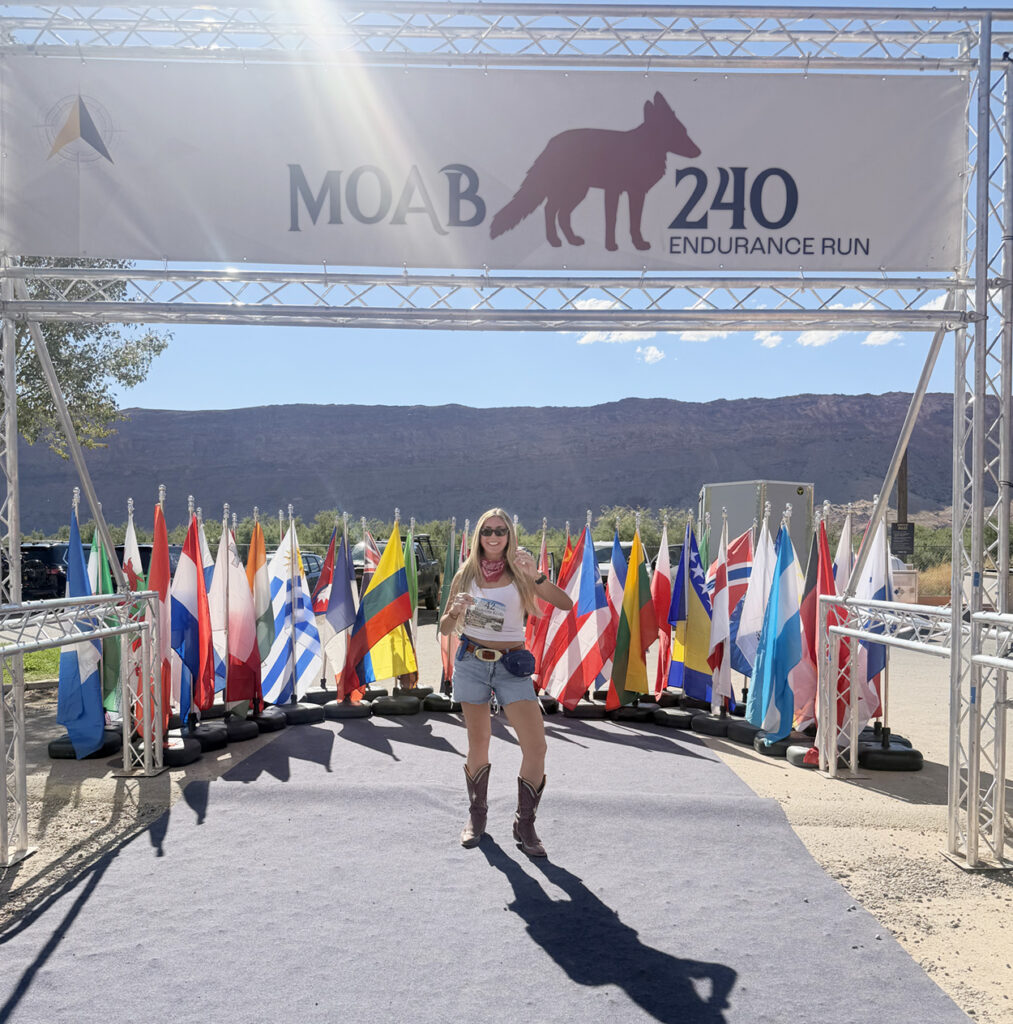
But while still in Moab, Brady quickly turned her disappointment into determination. She posted a video, showing her running and smiling with a new countdown — 360 days to the 2027 Moab 240.
The Moab 241.8-mile race has a time limit of 112 hours and an elevation gain of 31,696 feet and elevation loss of 31,892 feet, attesting to the challenge of the course. There are 15 full aid stations on the course, including five sleep stations, but runners can take their breaks elsewhere along the route.
Brady said she was surprised by the first part of the run because she had been doing mostly elevation training in the mountains.
“It was a bit more challenging than I thought,” she said about the first day. “In the thick of the day it was in a canyon on flat desert surface so … it was super exposed, super hot. It was the second-hottest day in race history.”
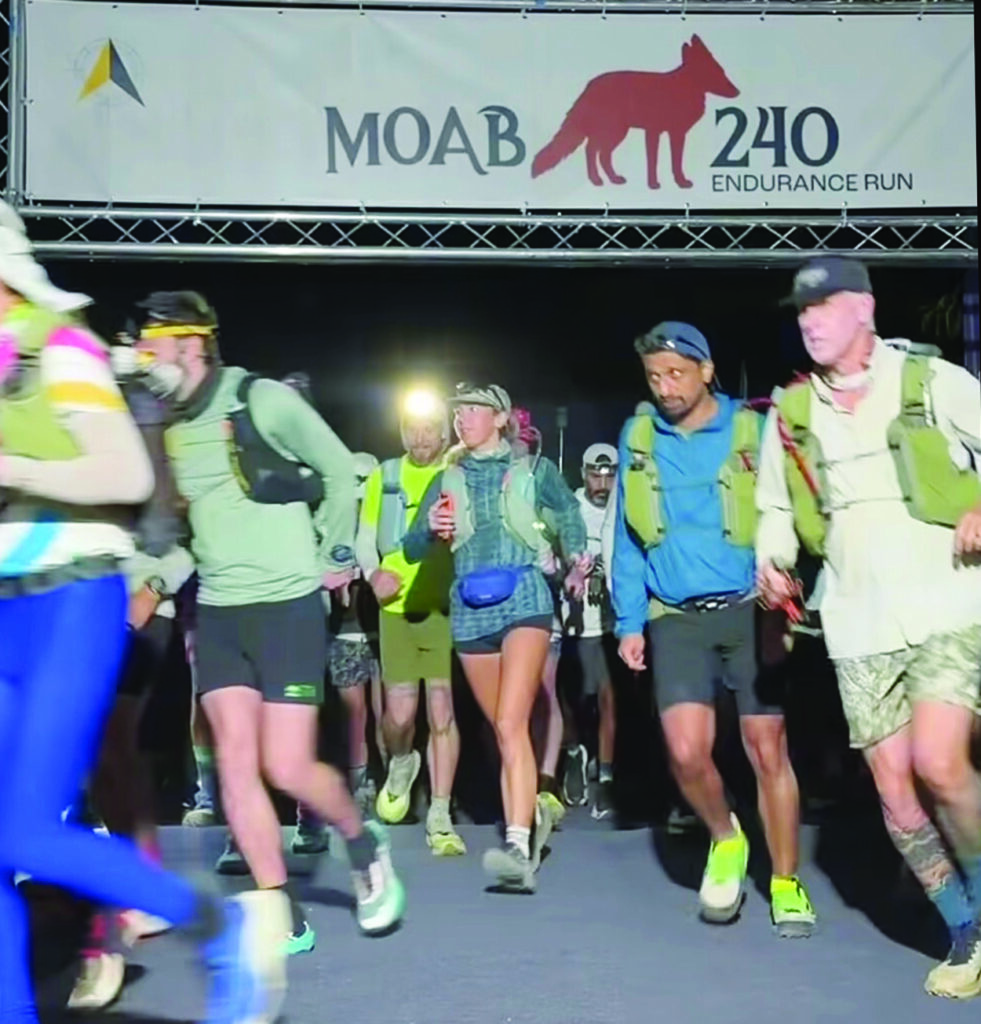
By the second day, she reached the 100-mile mark around 9 p.m. “I think I was a bit slower than I anticipated, but day two I was picking it up. My most challenging segment was from 2 in the morning until 7 a.m. night one. By segment two of day two, I was really gaining time back and the next segment was where I got stopped.”
Brady recalled it raining, sleeting, storming and getting cold, and she was running in light gear with a pair of metal poles, wondering if she should get rid of them because of the thunder and lightning.
She got to an aid station and her crew advised her it was time to “take a big nap,” which is more like an hour, hour and a half, because she was facing a 17-mile segment. The night before it was hot in the desert and she could stop for as many naps as she wanted and rest anywhere.
Just as she went to lie down, two other runners came back to report flash flooding from the storms was blocking the path.
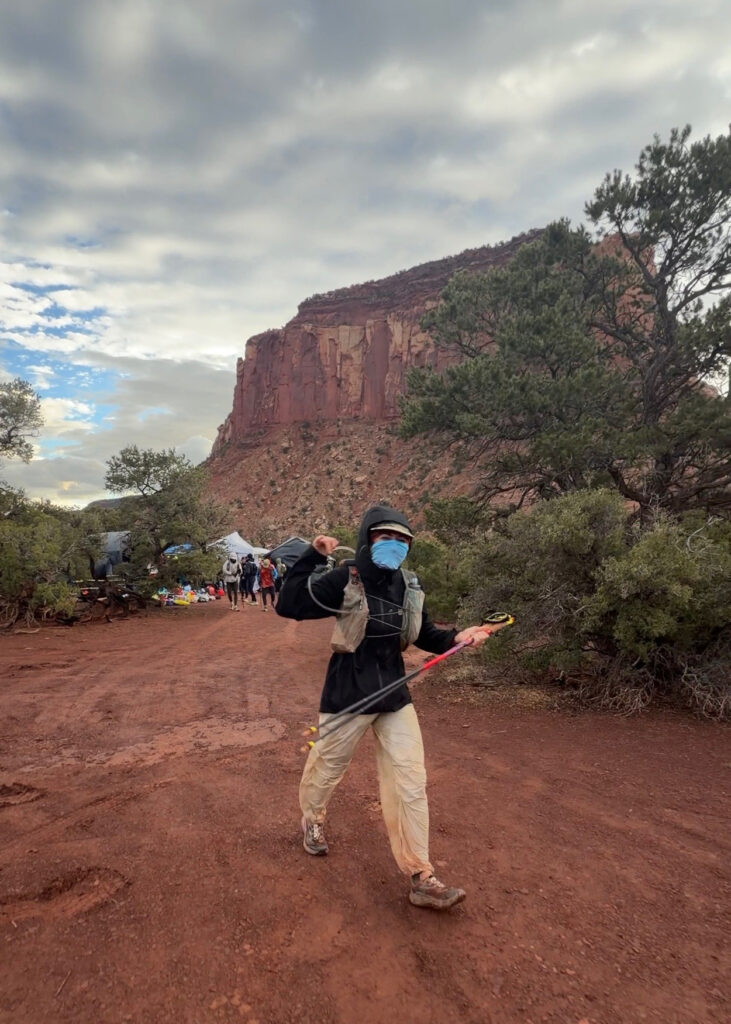
“At that point, I was pretty dead set on still continuing, then more people started coming back and an official came in and said no one was going to get through.”
She and others were “trapped” at the aid station, which is really not much more than tents.
“I was there about 11 hours in the freezing cold rain. They’re bare minimum.”
There were a few dirty blankets and everyone had one of those little metallic blankets runners get when they finish races, so she was shivering while trying to sleep. Another runner saw her shivering and told her there was another tent with a small camp fire so she could be warmer.
The runners there kept hearing different rumors about a helicopter coming to assess the situation, perhaps bulldozers to be used to clear paths. Then they were told the race was canceled. Eventually she and others started hiking out when they had the chance.
“We’re just walking at that point, not even running, because it’s so muddy and windy, and we made it about 3 miles when a sheriff’s car started coming toward us,” she recounted. “I thought they were going to tell us to turn around.”
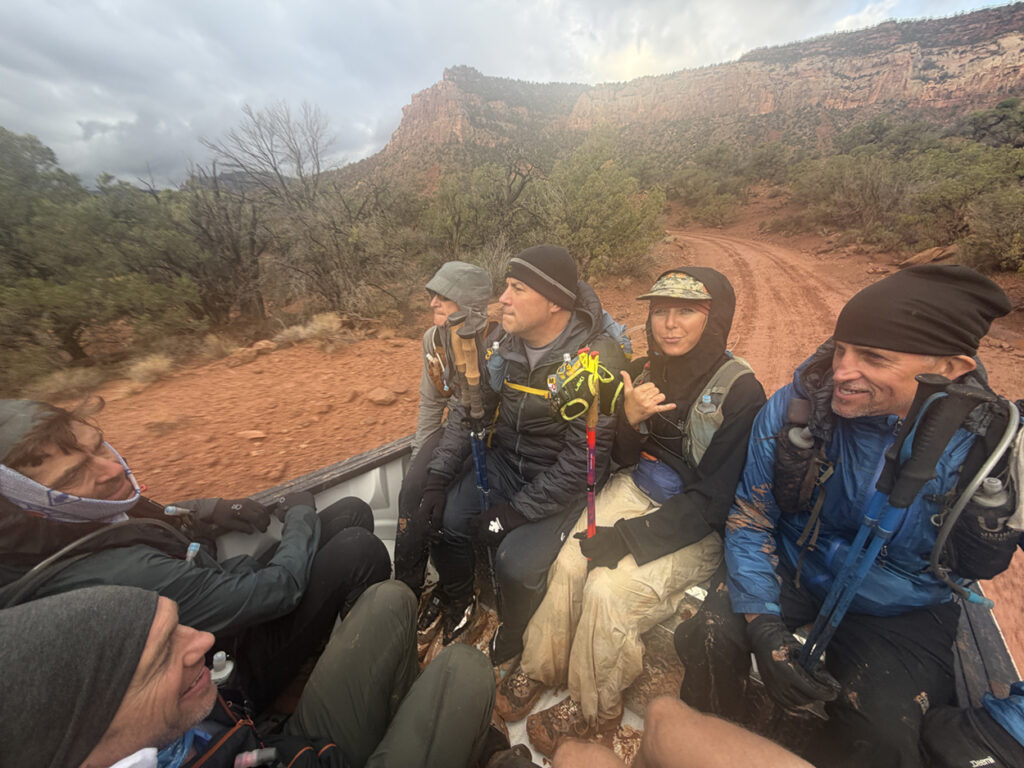
Instead, they welcomed them into the vehicle.
“We got in the back and everyone was cheering and the car was sliding back and forth because of the mud. It was a pretty unbelievable experience, and when we got back to the road, we saw helicopters going up. There was Utah State Police, park rangers, the sheriff’s department, search and rescue, so it was a scene.”
That experience didn’t deter her from wanting to try again. More the opposite.
“It was definitely disappointing because I spent at least half of my year preparing for it. You just visualize things differently,” Brady said.
She would have been upset about not trying to continue on during the storm, but realizing it was too dangerous for anyone to safely race on the course changed her mindset.
“If I decided on my own account that I wasn’t going to do it, I think I would never forgive myself, but because it was an out-of-my-hands situation, I just accepted what was happening.”
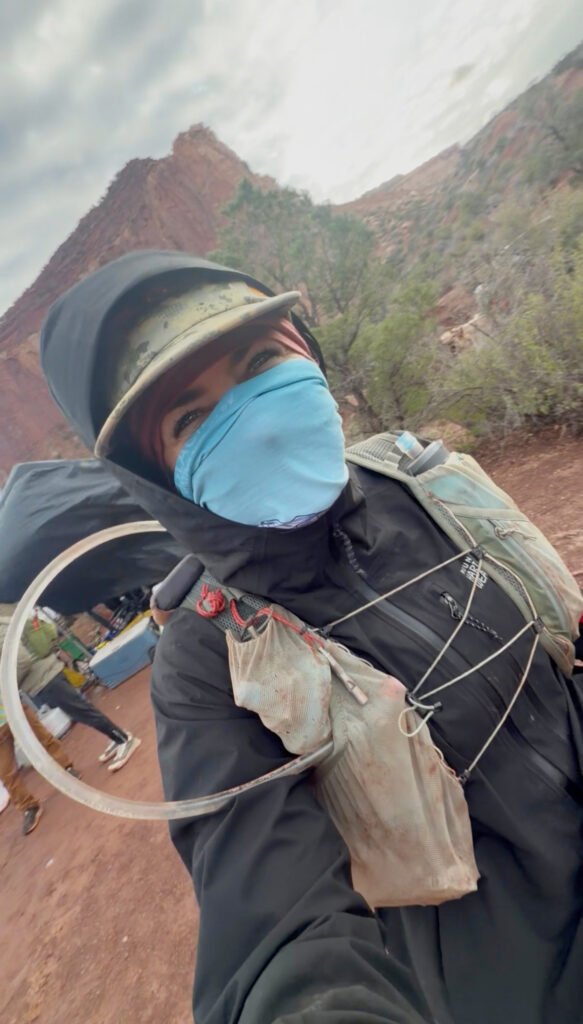
Still, she calculated if her pace were faster, and she arrived at her stopping point two hours earlier, she may have gotten up the mountain on that segment of the course before the flash flooding caused the streams to become uncrossable.
“Then we found out nobody was going to finish. At that point I had to sit with the situation and realize that it’s out of my control. There’s nothing I can do. I did everything in my control. I got to the starting line. I did my best.”
Although she didn’t get to do the whole 240.8 miles, she valued the experience.
“I think I learned a lot out there that you can really only learn on that course yourself,” she said. “I had a great crew captain, I had a great coach, but there’s some things you have to experience yourself. I’m ten times hungrier for next year.”
Don’t expect her to take it easy until she gets to Moab, but she’s only doing short races, relatively speaking.
“I’ll probably bike across Florida again in February and in the meantime I’ll do a couple 100-milers on trails and then I’ll really just tunnel vision in on this,” she said.
Brady said she’d probably not do any 200-mile endurance races in the meantime because “they definitely take a toll on your body.”
Reflecting on the race, she was more disappointed for some of the others.
“I think I feel much more empathy for the people who were the front-runners that made it through the worst of the weather and only had maybe 40 or 50 miles to go. I can’t imagine how heartbreaking that is.”
Brady didn’t post during the race. She was a bit preoccupied, but now is back to posting regularly.
To keep track of her progress and for the many positive affirmations she posts, look her up on Instagram @maddiebradyy.
– By DAVID NAHAN/Sentinel staff
Photos courtesy of Maddie Brady