Will benefit children in Tanzania while broadening the students’ understanding of the world beyond this island
OCEAN CITY — At the Ocean City Intermediate School next week, siblings Gunner and Harper Juelg are leading a drive to collect supplies to help preschoolers in East Africa.
Harper, the current Little Miss Ocean City, and Gunner are doing the drive on behalf of their grandmother, Diana Juelg, who is executive director of Hope For a Better Future.
Juelg, a nurse who lives in Ocean City, and Nellie Lindeborg of Sweden, the secretary general, run Hope, a non-profit, non-governmental organization (NGO) initiated in 2015. It is dedicated to “uplifting women and children in East Africa by meeting their essential needs and nurturing long-term well-being.”
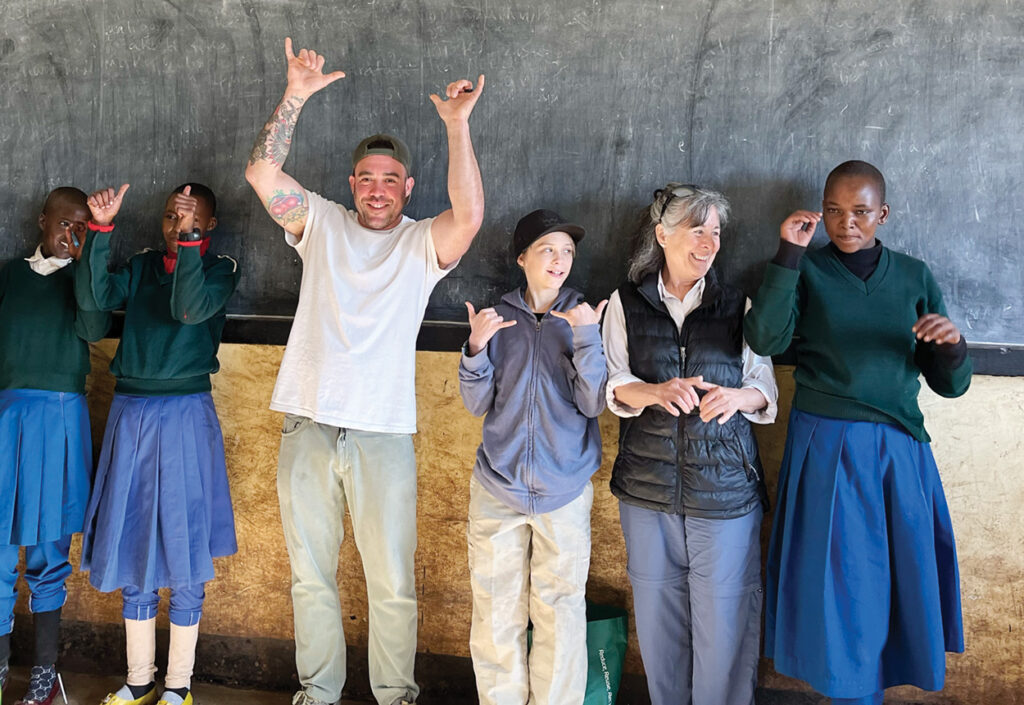
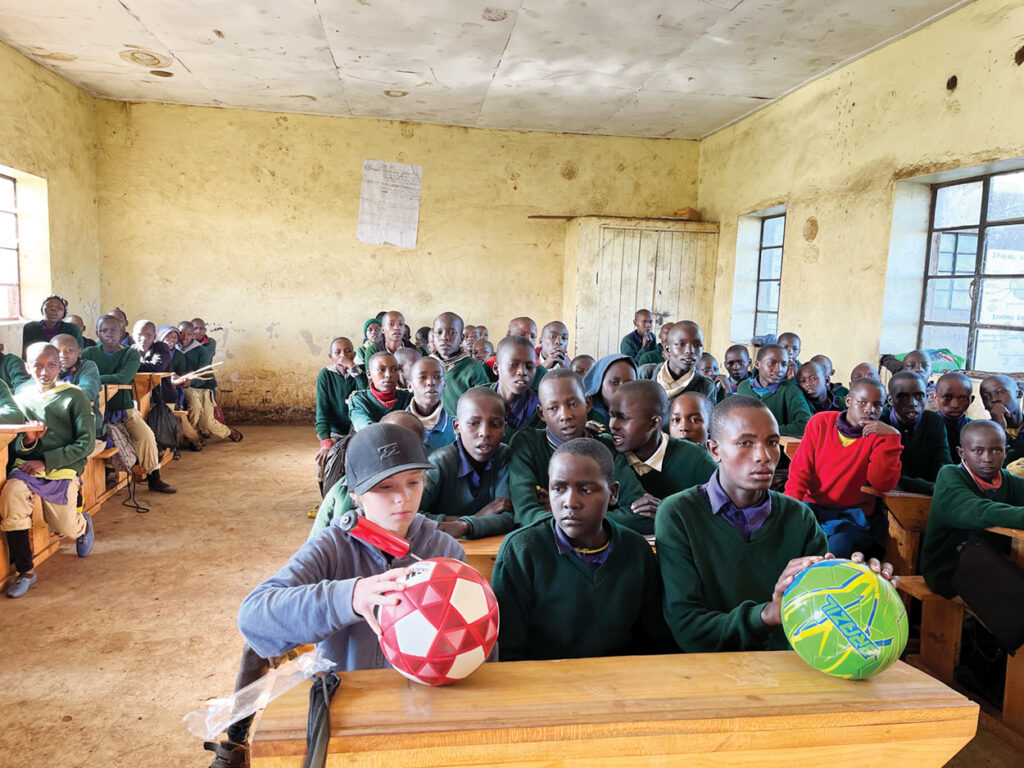
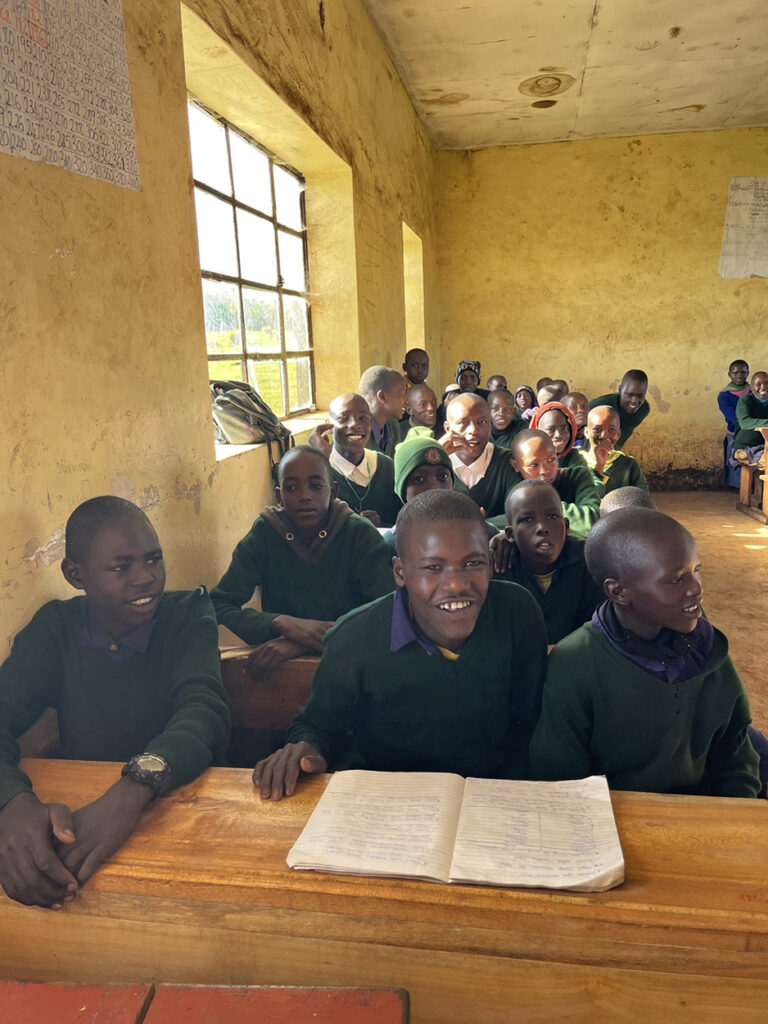
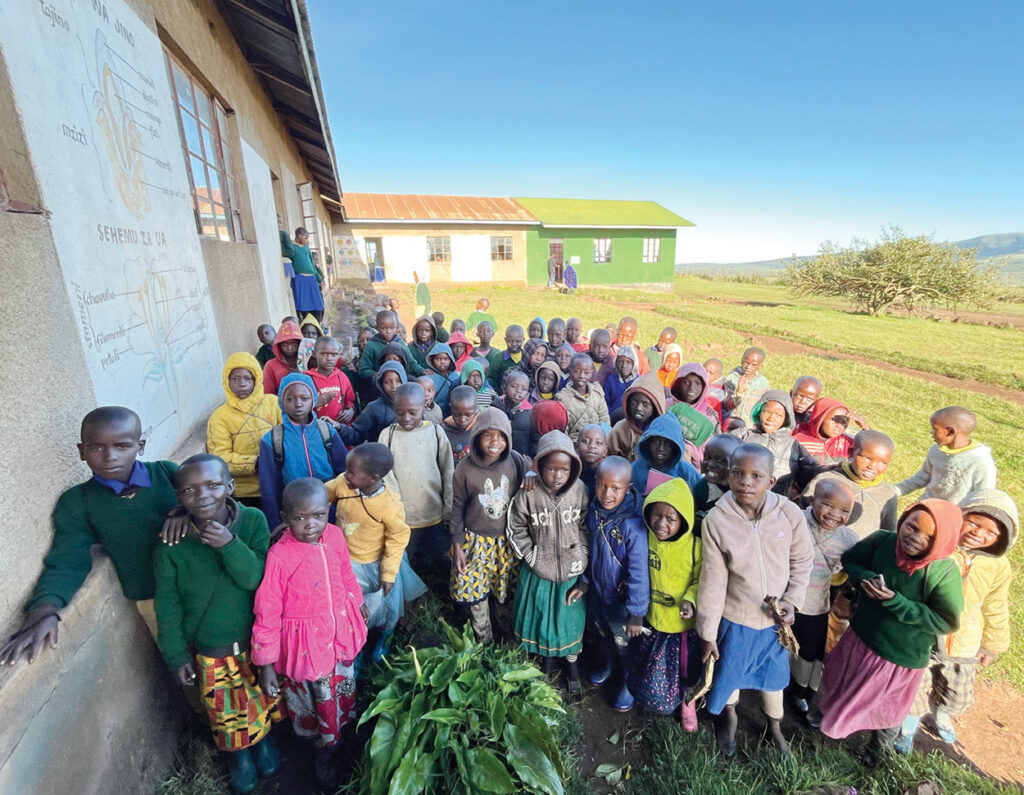
Hope empowers women through sustainable business projects and provides essentials for children via a preschool in Tanzania’s Kilimanjaro region.
Through Hope For a Better Future, children get one nutritious meal a day, health assessments to monitor their development and wellbeing, along with uniforms and warm sweaters.
Gunner and Harper are collecting gently used clothes, school supplies and soccer balls to support those children.
Ocean City Intermediate School Principal Matthew Engle said OCIS is working with the siblings to promote the drive in the school community.
“This is a student-led initiative and our role has been to support them by helping to establish the timeline and logistics while allowing them to take the lead in sharing the purpose of the drive and organizing the effort,” Engle said.
“We’re proud to support this effort because it highlights the leadership, compassion and initiative of our students. Harper and Gunner recognized a way to help others and worked to turn that idea into action,” he said. “Supporting their project allows our school community to come together for a meaningful cause while encouraging students to make a positive impact.”
Engle pointed out that student-led initiatives like this “broaden students’ understanding of the world beyond their immediate community. By learning about the experiences and needs of children in other parts of the world, students develop empathy, perspective and a deeper appreciation for the opportunities they have.
“These experiences,” the principal said, “help reinforce the importance of service, global awareness and the idea that even small acts of generosity can make a meaningful difference in the lives of others.”
Hope For
a Better Future
The NGO started with a chance meeting of the two women just over a decade ago and has grown substantially since.
In the NGO’s annual report, issued at the beginning of April, Hope For a Better Future reflected on the decade of work it has accomplished through 2025 and what is in store.
Juelg and Lindeborg write in the report’s opening letter how their “small initiative has grown into a movement that now touches thousands of lives across Northeast Tanzania.”
The report details the ways the NGO has been helping women, children, families and communities, and the beginning of construction this year of an outpatient health clinic, a project expected to unfold over the next three years.
It all started with the women’s visits to East Africa and grew by creating something akin to miniature savings and loan associations that help women start small businesses, from caring for goats to tailoring, livestock and vegetable farming. It went beyond that to include opening the preschool in 2019, providing a well, pump and tank for freshwater in Mikameni Village that expanded to serve more than 8,000 people in several villages, and on to the outpatient clinic.
Hope for a Better Future supports more than 100 women and 40 businesses and provides more than 300 children with early education, meals and clothes.
Juelg and Lindeborg told the Sentinel they actually met while volunteering for another organization in East Africa.
“We didn’t have any plans to start anything there,” Lindeborg said, but she didn’t believe that organization for which she volunteered was using the money in the most efficient way possible.
“I wished I could give my money where it goes straight to the projects, to the children and women that actually need it,” she said. “I learned from Diana that she had been to Kenya and that’s how she had done it. She just contributed with her time and effort. It was just pure giving.”
A few months later, Juelg reached out and asked Lindeborg if she would like to help form their own non-profit and thus began the journey for Hope For a Better Future.
Asked about their impact, Lindeborg talked about the thousands of people who have access to clean water, can provide for their families and children to go to school. “Even just that one meal a day has such an impact on their lives,” she said.
As for their effort, she added, “It just feels like something we do by heart.”
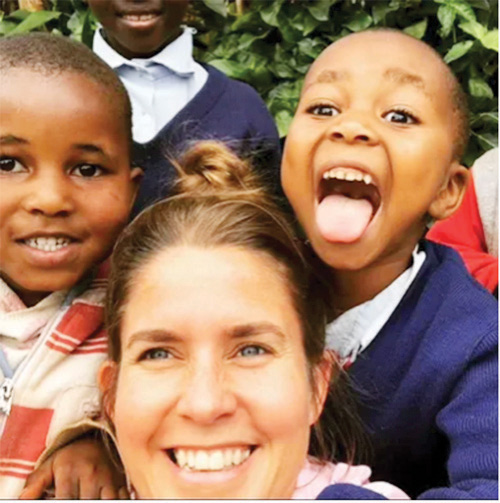
“Looking back, I don’t think Nellie nor I woke up and thought 10 years from now we’re going to have done this, this and this,” Juelg said. “It’s just that along the way, things just kept opening up and there’d be times when Nellie and I would look at each other. … We’d have the ‘aha’ moments. I’m just really grateful we’ve been able to be used to help in this one area in the world that has been improved because we’ve been placed here to do something.”
Juelg pointed out that they started with helping five women raise goats to help provide for their children.
After that effort was successful, the duo went to the home of Stella Kipokola, who is now the project manager for women’s groups, and nearly 40 women were waiting for them looking for support to start their own business.
“We were like, we don’t know how we’re going to do it, but yes,” said Lindeborg, who has spent her career in the textile industry.
Juelg explained groups of three to five women come together to form the little businesses, whether raising pigs, sewing or a hair salon.
“They created a plan, presented it to us and we were able to slowly help them all get started,” she said.
Lindeborg said it started more like one-time funding, but the two of them wanted it to be self-sustaining. That initial group formed the first Savings and Credit Co-Operative Society (SACCOS) that later grew into three SACCOS that could in turn loan money for the business ventures.
Money from those ventures would be repaid over set periods of time, with interest, to keep those funds going. Juelg said they were going to step away once the SACCOS became operational but were asked to stay on.
The NGO does solicit donations and has had one faithful donor who supports the school, paying the teachers and for feeding the students. “Nellie and I, with our own funds, pay for the uniforms and sweaters every year,” Juelg said.
While their big project is getting the outpatient clinic built over the next few years so villagers don’t have to walk miles for care, Lindeborg and Juelg want to continue work on what they’re doing, expanding the water project and the SACCOs to other nearby communities.
The duo go to Tanzania twice a year, usually in May and October, but have other people on the ground there, including project facilitator Praise Nyange, Kipokola and Digna Kimaro, project manager for the preschool and other volunteers.
For local residents who want to contribute to the supplies drive, there is a collection box at the Intermediate School. The non-profit also takes donations through its website at hope4abetterfuture.com, where people can learn more about the organization and view its annual report.
– By DAVID NAHAN/Sentinel staff
Photos courtesy of Diana Juelg