Bubblers prevent piling pulling up, damaging decks, boat lifts
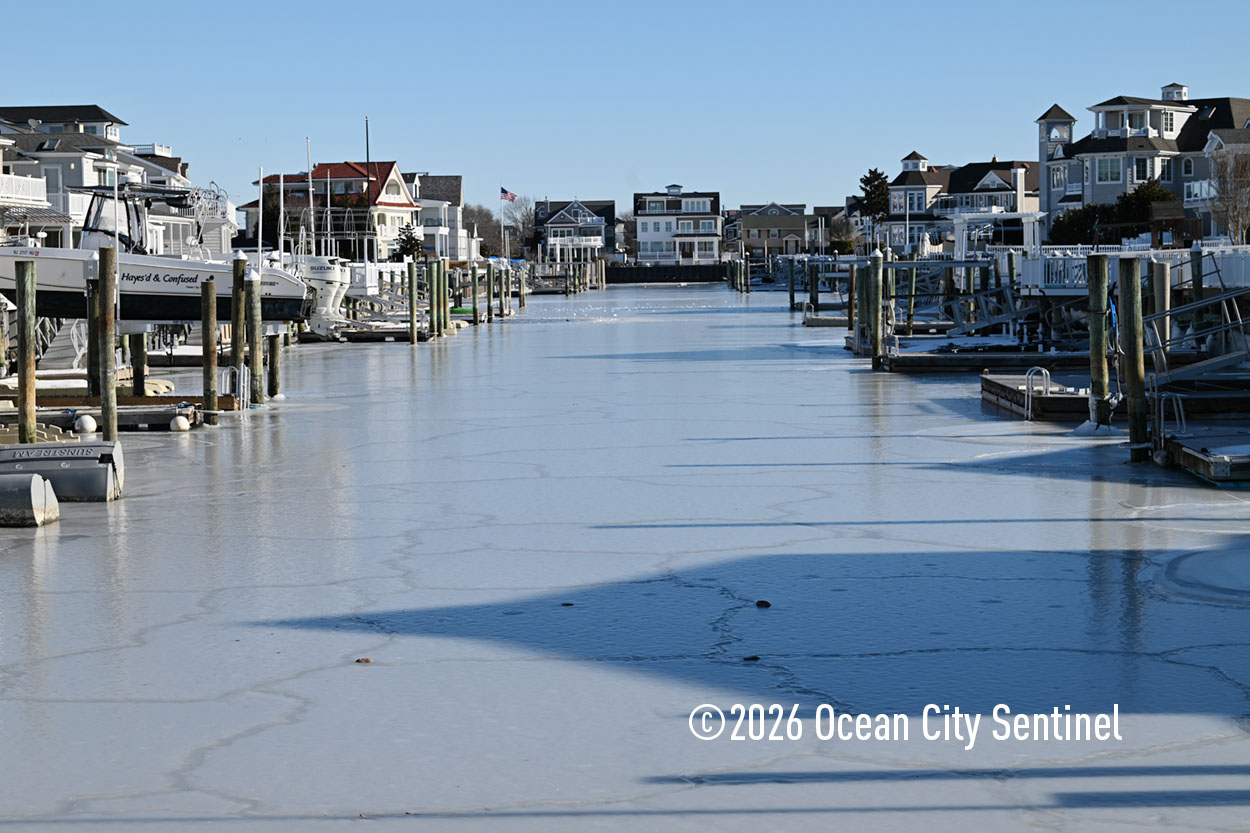
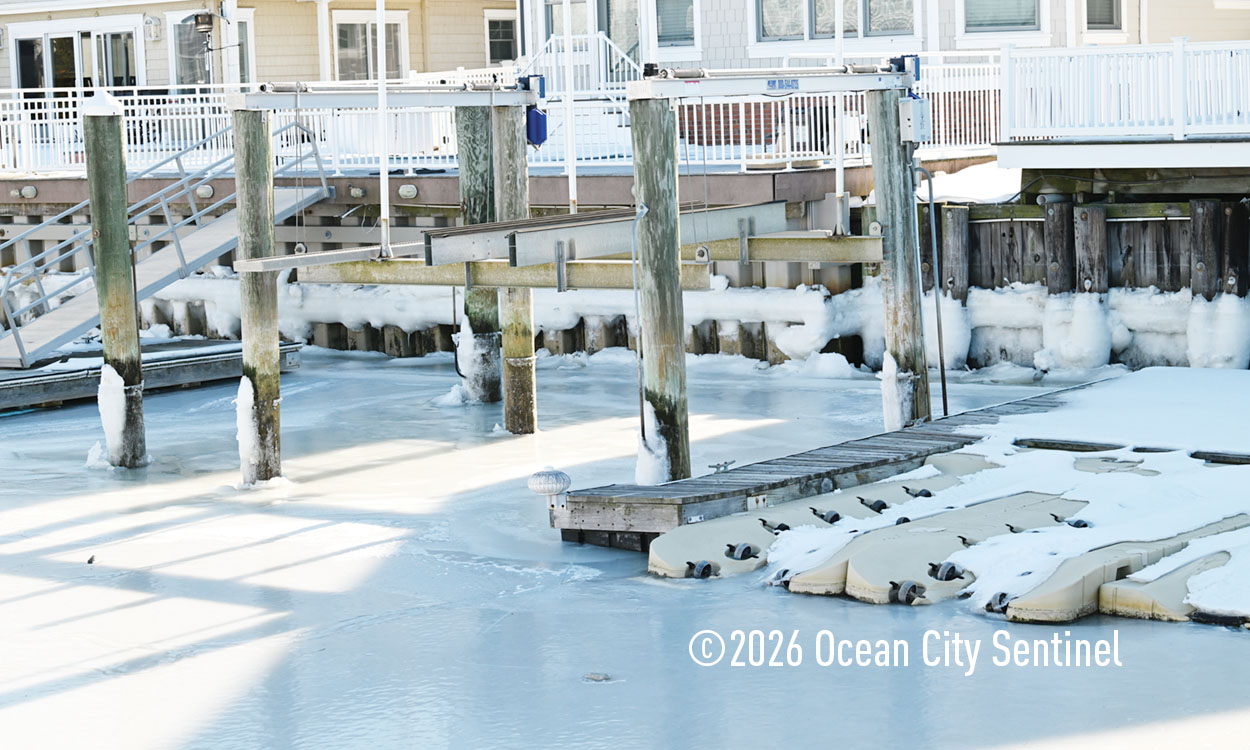
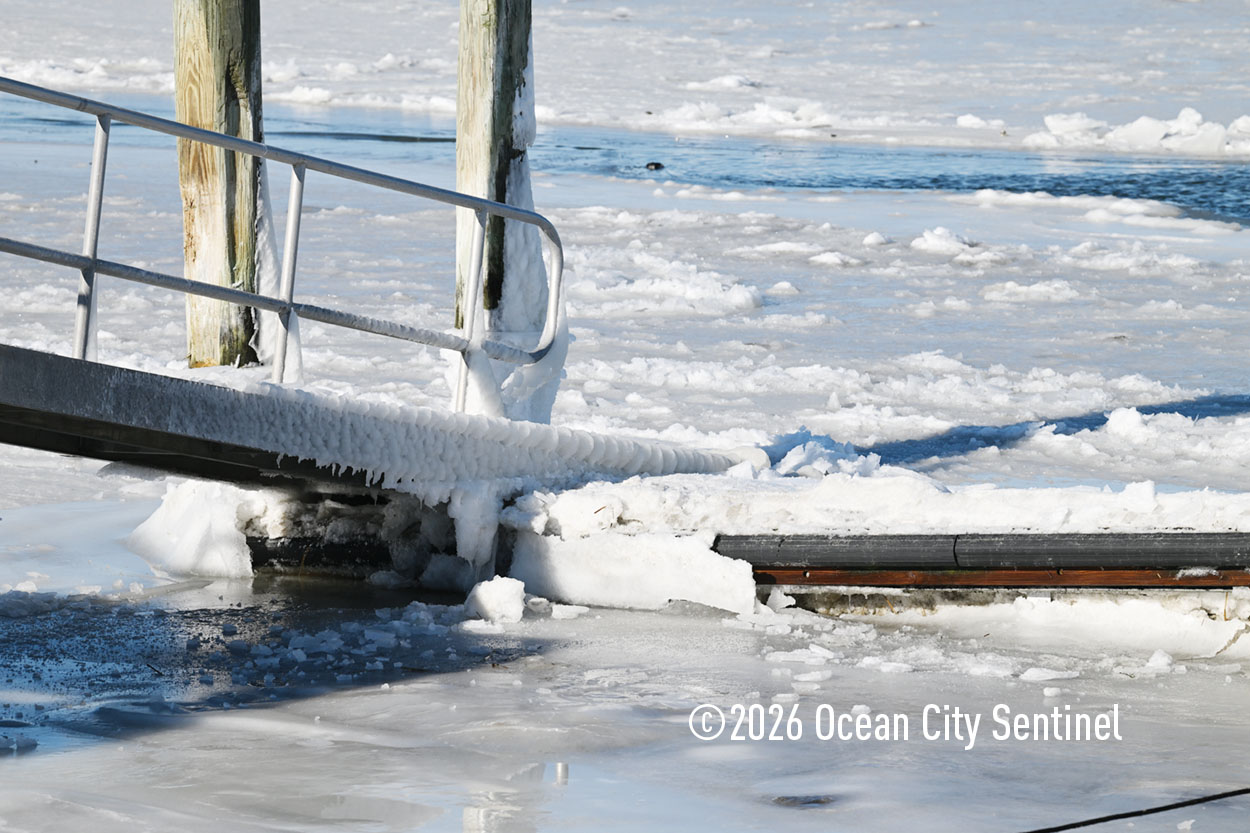
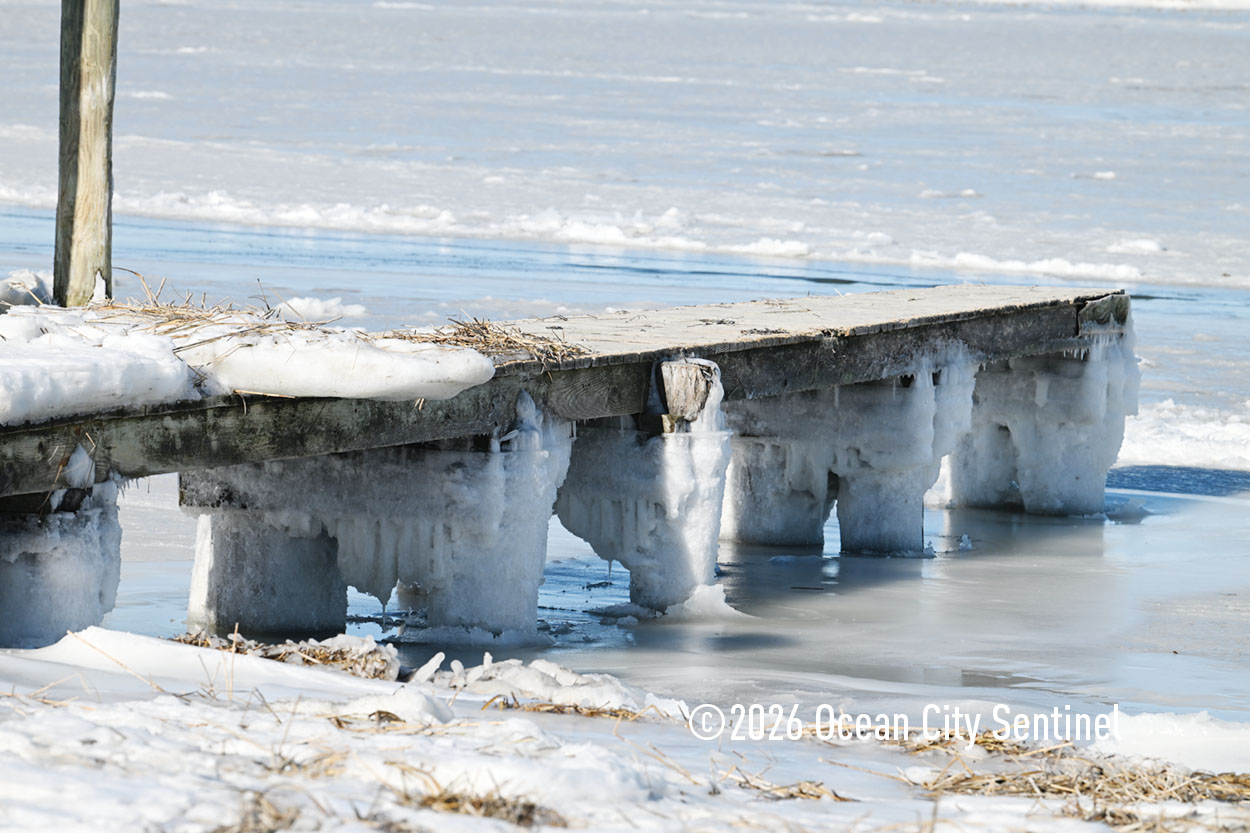
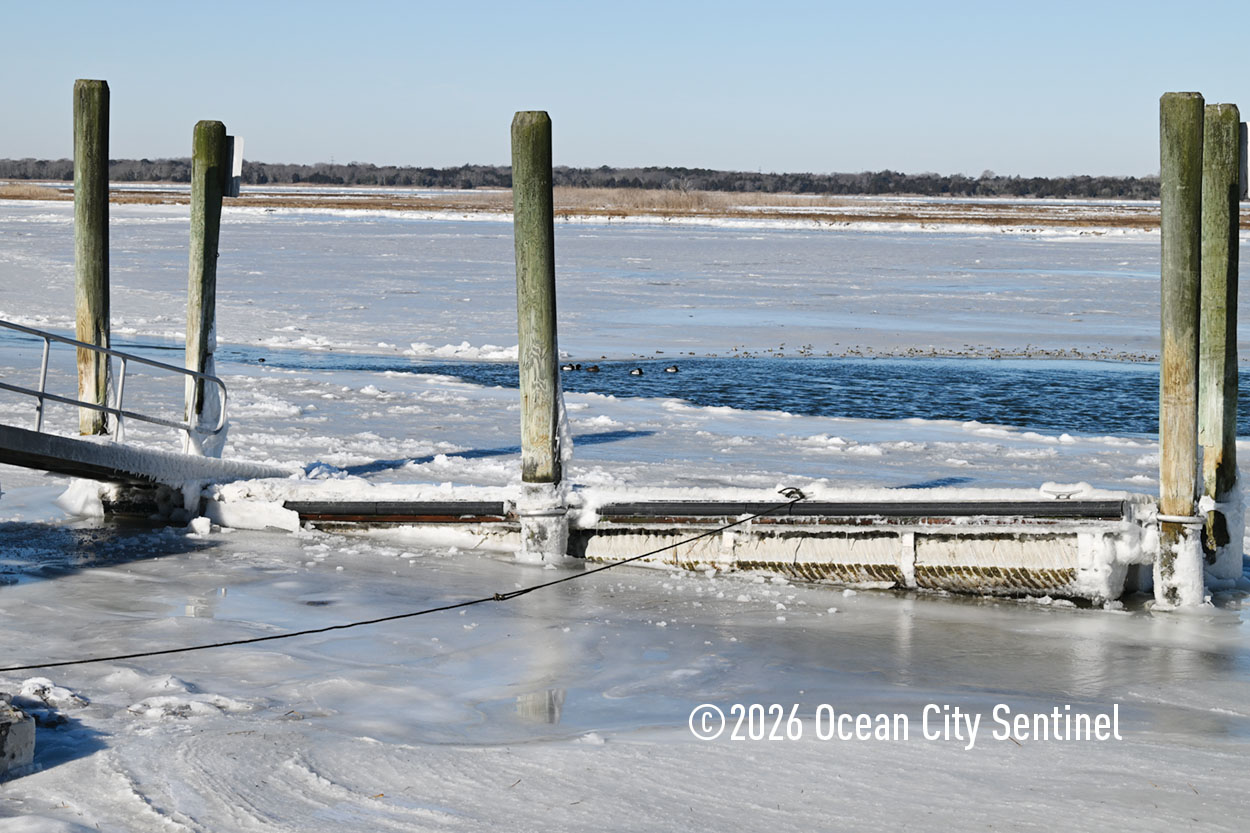
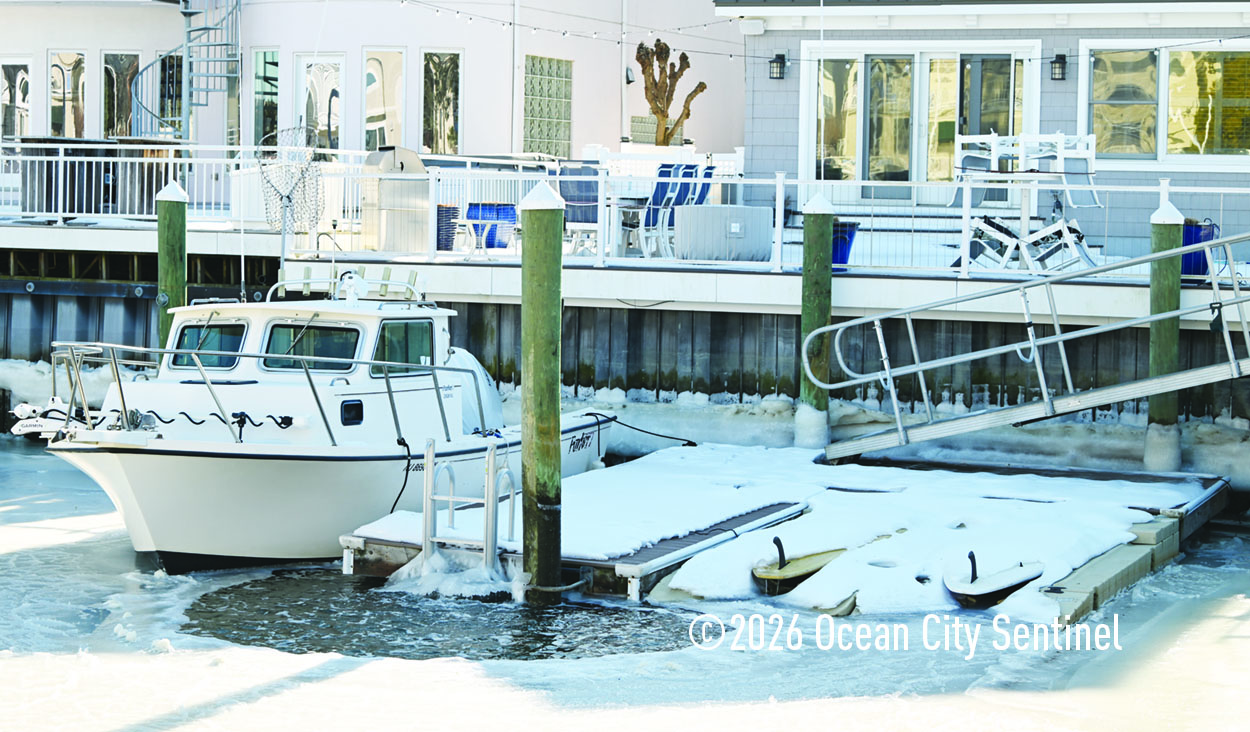
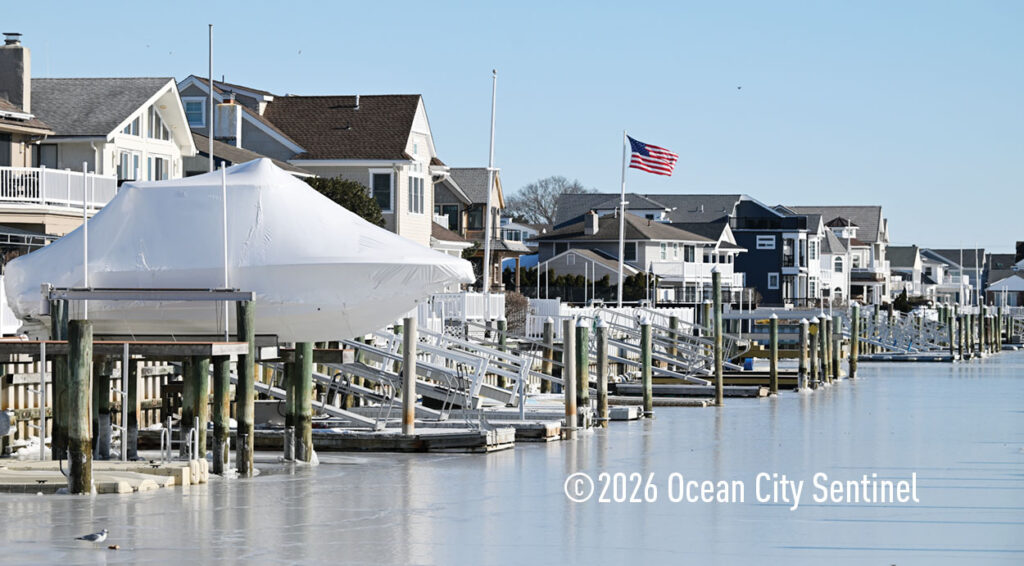
OCEAN CITY – When the weather gets cold and stays cold like it has this winter, Sean Barnes gets out on his dock on Snug Harbor in Ocean City with a long metal pole and breaks up the ice forming around the piling.
“I try to stay ahead of it as much as possible, but when the snowfall covers the dock with ice and snow, it makes it impossible to get out there,” he said.
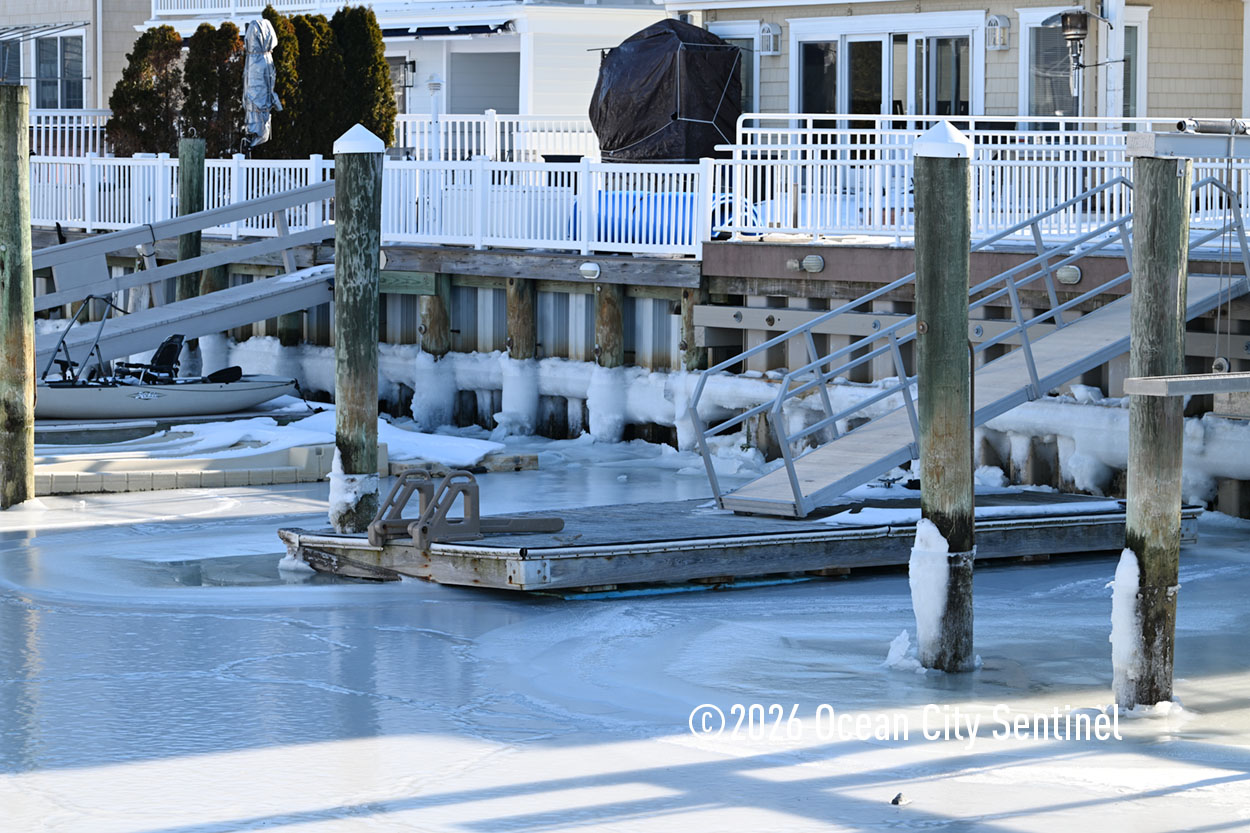
Having been in his home there since 1999, Barnes has witnessed firsthand what can happen when floating docks freeze to piling.
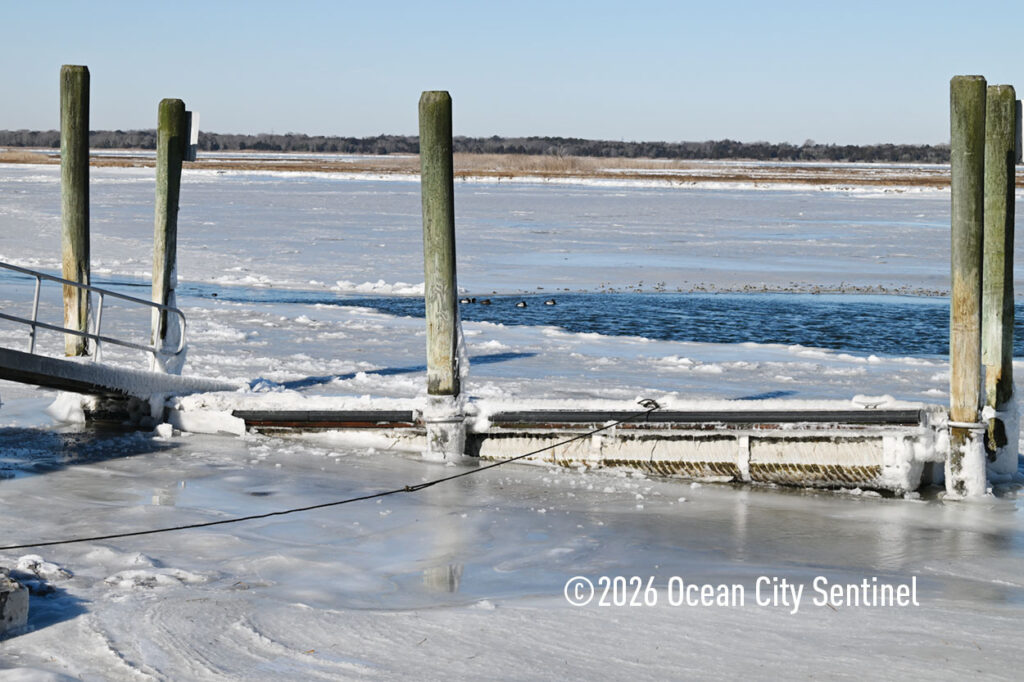
Kim Styer of Coastal Marine Piling said it is common for the incoming tide to pop a pile up when a floating dock is frozen to it.
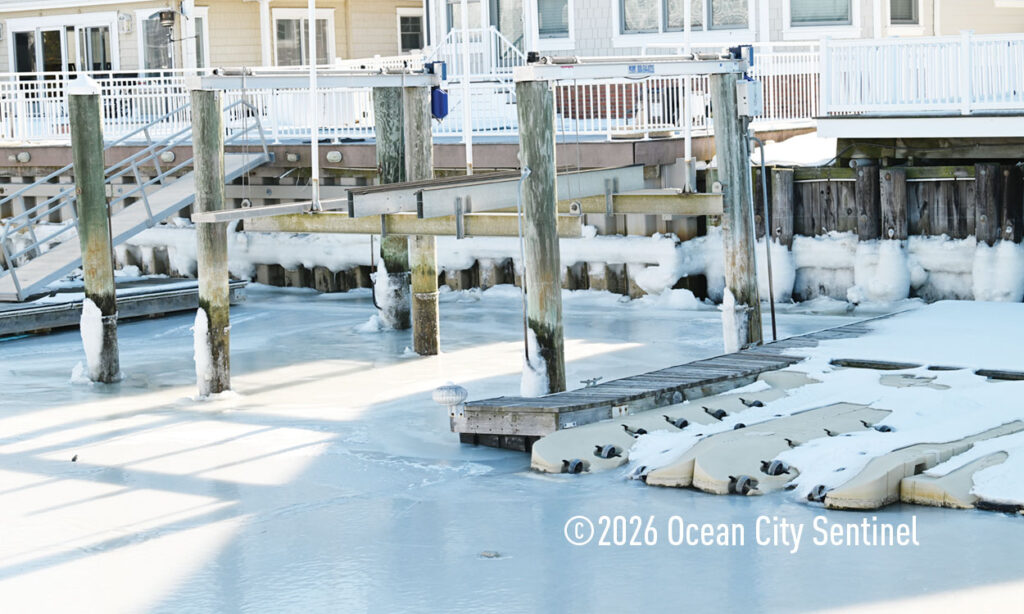
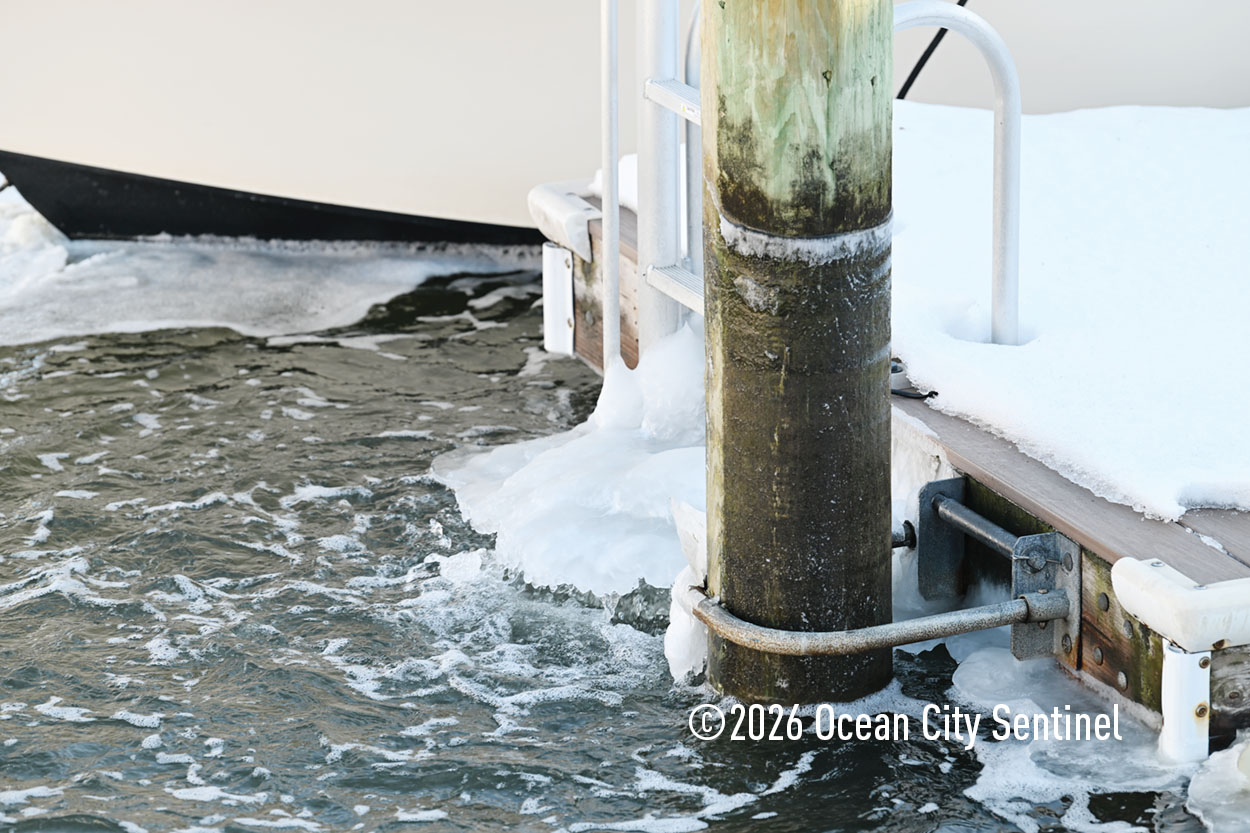
“It happens all the time. Bay water freezes around the piling, it latches on and the tide comes up and pulls the pile up,” she said.
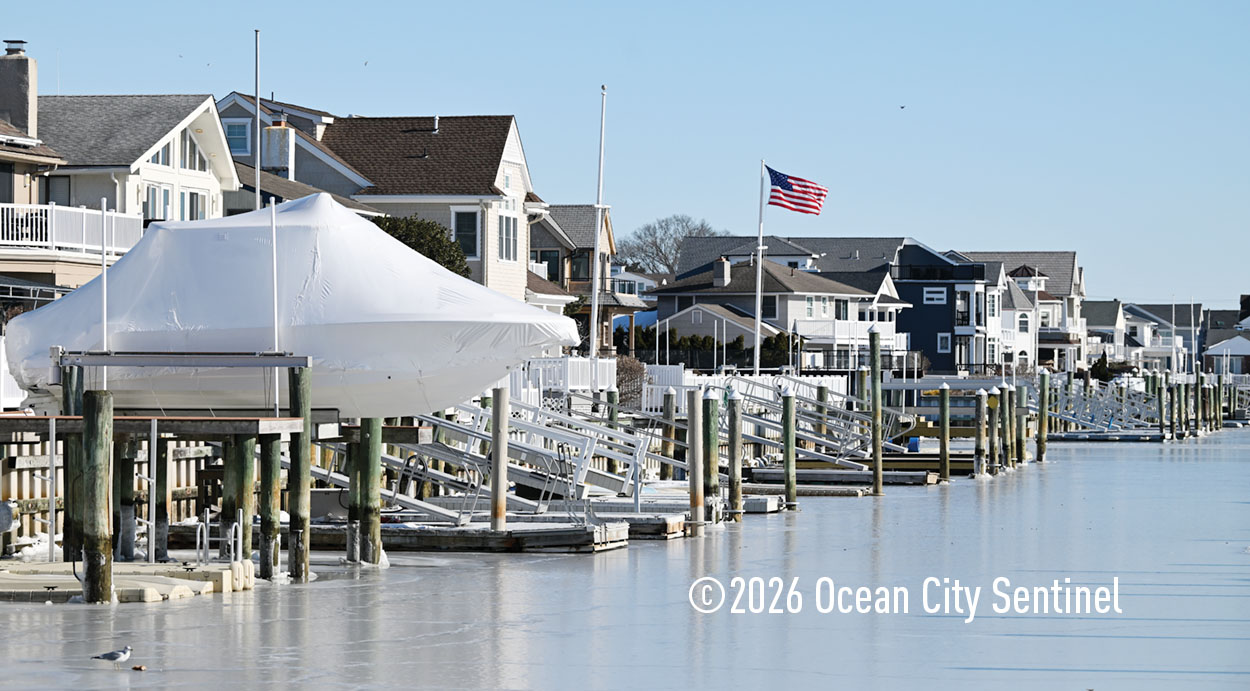
With more freezing temperatures on the way for southern New Jersey, waterfront homeowners are keeping a wary eye on their docks in fear of damage caused by the phenomenon.
Arthur Chew, an engineer based in Linwood, said the frozen water creates hydrostatic pressure on the piles. As the tide flows, the warmer water below forces the ice up, which can damage infrastructure.
At the shore where the water has a high content of salt, the situation arises only when the temperature is in the 20s for an extended period, he said.
“The longer it stays that way, the thicker the ice gets. The thicker it gets, the quicker it gets thicker and thicker,” Chew said, noting it could happen a little bit each day without much of a visible effect.
He said the piles can rise several feet and possibly tilt but most likely not pull out of the ground.
“There will not be a bunch of logs floating around in the bay,” he said. “But docks can get out of level, boat lifts get out of level or could get knocked off.”
Styer’s partner T Gallagher said it’s an easy fix, once the ice is gone. Coastal Marine brings a barge with a crane and pile driver out to the site, removes the pile, resets it and pounds it down to the proper depth.
Gallagher said that while the pile usually rises independently of the floating dock, damage can be caused to anything attached to it as it rises.
“If it rises too far, it could lean and damage the docks, decking and pier,” he said.
Gallagher said boat lifts attached to rising piles can suffer damage as the result of being twisted.
He said they get some work out of it but only minor jobs.
“We’ve gotten a few calls; it’s nothing urgent usually,” he said.
Styer said it’s mostly a matter of people seeing them working and asking them to do the job while they are already mobilized in the area.
Styer said a simple preventive measure is to install a bubbler, which she described as a propeller placed beneath the surface to keep the water moving and prevent freezing.
“It’s a deicer attached to floating docks and the pump gets dropped in water. It’s a proactive move to keep the water moving,” she said.
Gallagher said a bubbler runs about $1,500 and installation can be done by the homeowner or for a minor fee.
Chew said the bubbler not only keeps the water moving but draws the warmer water up from the bottom, raising the temperature of the upper level.
“Another way is go out every couple hours and break it up with a shovel or axe,” he said, somewhat jokingly.
For seasonal homeowners, that’s not really an options.
Matthew Malinowski, co-CEO of David Nicholas Building and Property Maintenance, said winter waterfront care benefits from regular inspections during prolonged cold periods, confirming that dock systems and equipment are properly secured, monitoring water levels during storms or freezes, and proactively winterizing plumbing and electrical systems.
“Ultimately, early identification and proactive management tend to be the most impactful safeguards,” he said.
Malinowski also said the age and condition of the piles and dock also play a part.
“When we do see pilings fail or shift, it’s more often related to age, rot or insufficient embedment depth, with ice movement acting as a contributing factor rather than the sole cause,” he said. “That’s why routine inspection and hands-on oversight are so important, particularly during the winter.”
– STORY by CRAIG D. SCHENCK/Sentinel staff
– PHOTOS by DAVID NAHAN/Sentinel staff